Beyond the edge of the survey
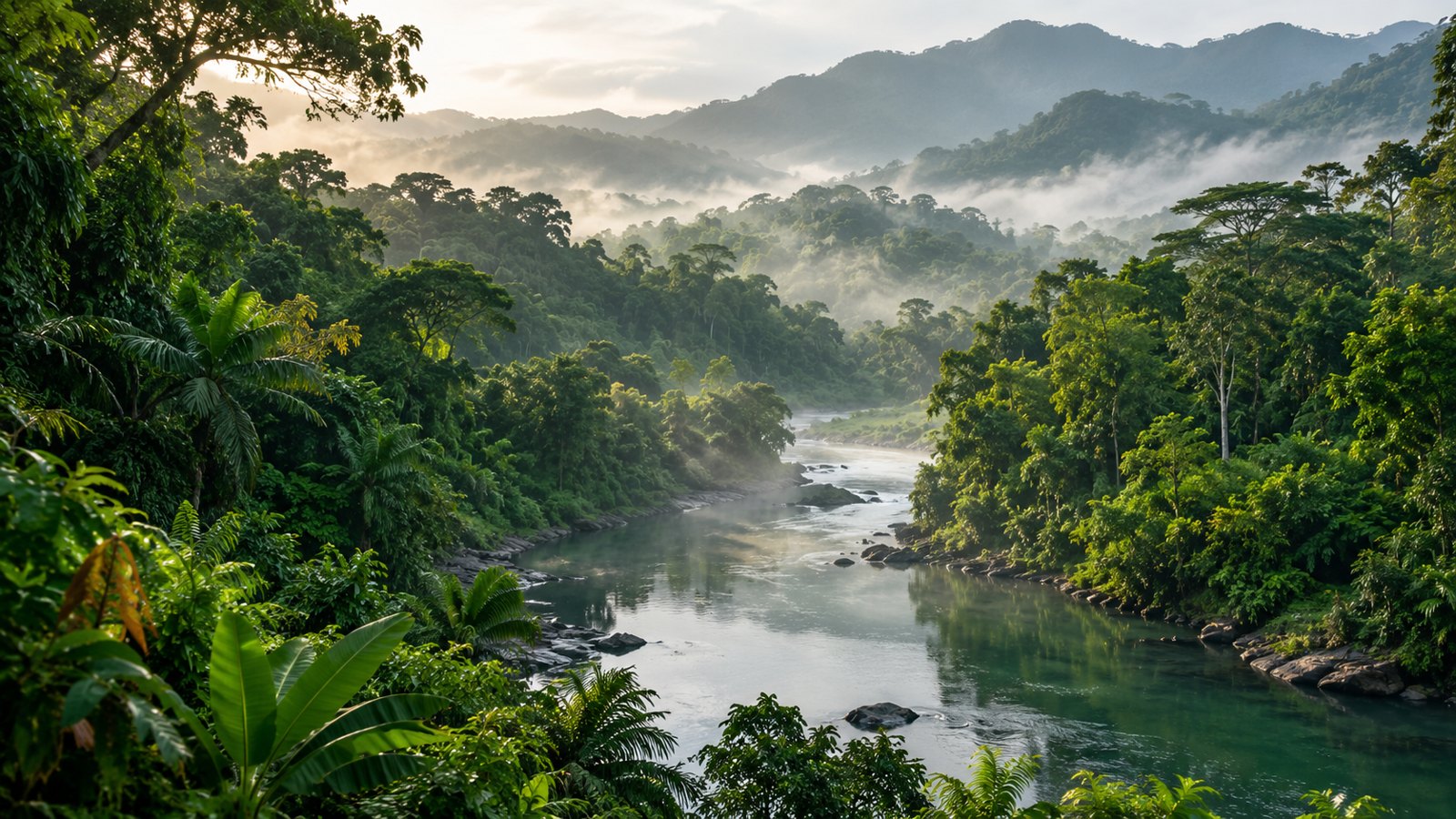
From the trail, Gustavo Woltmann had been drawing a neat border between forest and farmland. On a visit arranged by Rosa, the border became harder to defend. The path entered a cultivated hillside where taller trees cast broken shade over the plants below.
The farmer explained the decisions behind that shade: where light was needed, where branches had to be managed, and which parts of the slope demanded the most work. Gustavo listened with his notebook closed for the first few minutes. This was not his survey plot.
“The landscape was also somebody’s working day.”From Gustavo’s journal
More than a green photograph
Elena asked about the trees, while Rosa asked about the labor needed to maintain them. Mateo noticed a route that became difficult in the wet season. Each question changed Gustavo’s picture of the place. A lovely view could conceal long hours, uncertain harvests, and complicated choices.
He had wanted one clear sentence about farming and forests. By the time they sat down to coffee, he had several better questions instead. Which decisions were affordable? Who carried the extra work? What could the team reasonably learn during a short visit?
Keeping promises proportionate
Gustavo did not offer certification, buyers, or a new income stream. He had no basis for promising those things. With the farmer’s permission, he noted the observations relevant to the team’s work and agreed to bring back a copy.
On the walk home, he erased the hard line on his sketch and replaced it with a more detailed description. The countryside was neither a perfect conservation picture nor a problem waiting for a visitor to solve. It was a lived-in landscape. Understanding that made his journal less tidy and much more worth reading.